 +91 9544 22 11 55
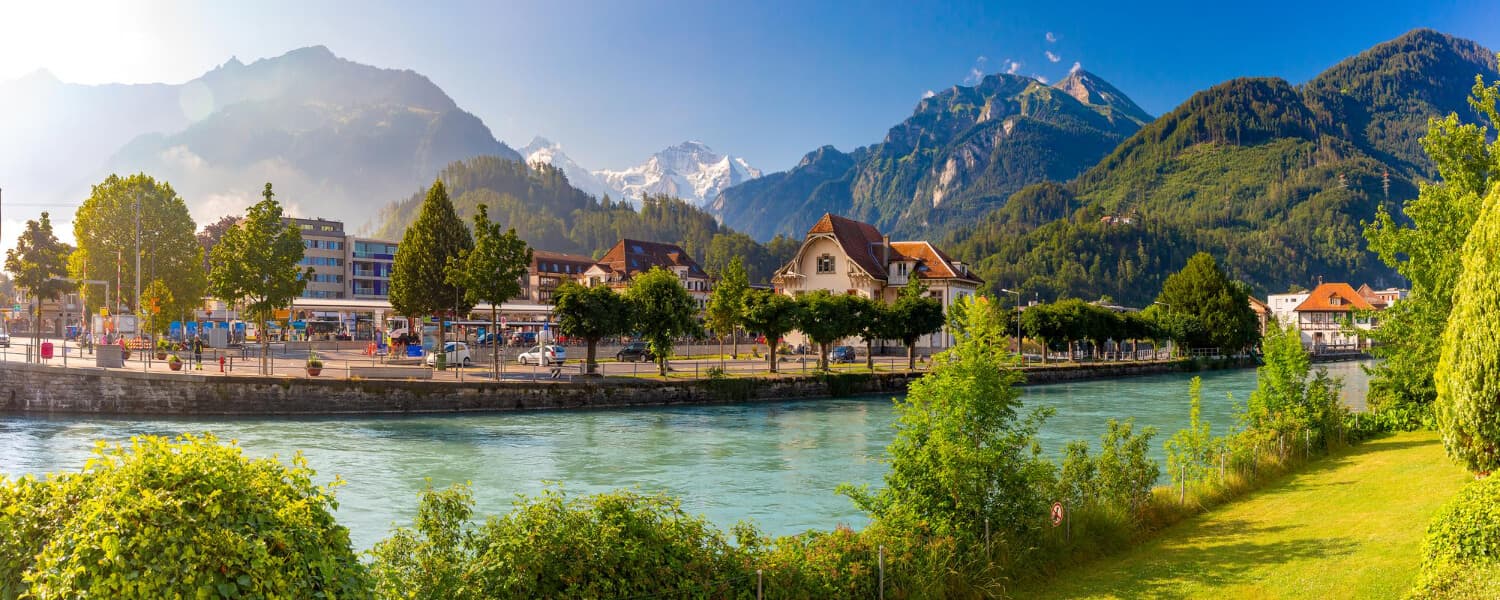
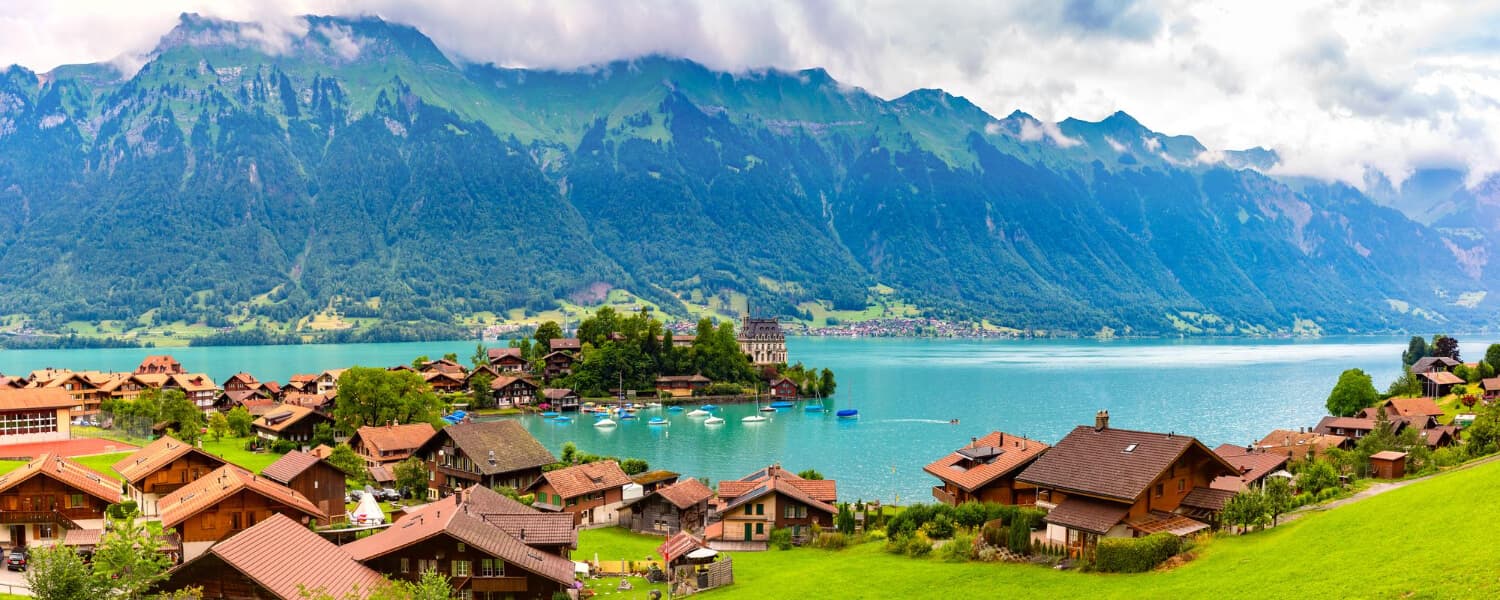
Switzerland, a landlocked European nation, is renowned for its stunning Alpine landscapes, pristine lakes, and strict neutrality. A global financial hub, it boasts a robust economy driven by banking, high-tech industries, and precision manufacturing like watches. Known for its high quality of life, direct democracy, and multiculturalism with multiple official languages, Switzerland consistently ranks among the world's safest and most prosperous countries.
 Capital: BernOfficial Languages: German, French, Italian, and RomanshCurrency: Swiss Franc (CHF)Main Cities: Zürich, Geneva, Basel, Lausanne, Lucerne, St. Gallen, Lugano
Switzerland offers world-class education, home to top universities and CERN, showcasing research excellence. It's the birthplace of hospitality education and a global finance/banking hub. Studying here provides unparalleled international exposure within a highly innovative, multicultural environment. Graduates benefit from strong industry links and a reputation for precision, ensuring a significant investment in their future careers.

Top-ranked Swiss universities within QS World Rankings top 100

World-class education with highly respected global qualifications

Strong academic learning combined with paid practical internships

Excellent networking opportunities with UN bodies and global corporations

Internships and scholarships covering up to 40% of study costs

Multicultural environment with diverse languages and global exposure
 Students' work is prohibited for the initial six months of their Swiss residency.For the next six months, students are permitted to work 15 hours per week during the academic semester6 Months Stay Back
February / September

Switzerland offers world-class universities, unparalleled research opportunities (like CERN), a strong economy, and a high quality of life, promising excellent international exposure and career foundations.
Absolutely. Several Swiss universities consistently rank within the top 100 globally (e.g., ETH Zurich, EPFL), ensuring a prestigious and highly regarded education.
Yes, many Bachelors, Masters and PhD programmes, particularly in engineering, sciences, and business, are widely offered in English, making them accessible to Indian students.
Tuition fees are generally much lower than in the UK or US, ranging from CHF 500 – 4,000 per semester at public universities, though private institutions are significantly more expensive.
Living costs are high, ranging from CHF 1,000 – 1,500 (€1,070 – €1,600 approx.) per month, primarily driven by accommodation and food expenses, varying by city.
Yes, non-EU/EFTA students can work up to 15 hours per week during the academic semester. However, work is generally prohibited for the initial six months of their stay.
Yes, during official university semester breaks and holidays, international students are permitted to work full-time (up to 100%) to gain experience and earn income.
After graduation, you can apply for a short-term L permit for up to 6 months to search for a job. Securing a long-term work permit afterwards is highly competitive and depends on finding a skilled job.
The primary intake is starting September/October with application deadlines for non-EU/EFTA students typically between January and March. A smaller Spring Semester intake also exists.
Yes, various scholarships are available, including the prestigious Swiss Government Excellence Scholarships (for PhD/research), university-specific scholarships (e.g., ETH Zurich, EPFL), and private grants.