 +91 9544 22 11 55

New Zealand, located in Oceania, offers a distinctive blend of world-class education, scenic beauty, and high quality of life. Its education system is globally recognised, with strong links and continental agreements facilitating qualification acceptance worldwide. The landscapes are stunningly diverse, from snow-capped mountains and glaciers to pristine beaches and geothermal areas, inspiring an active, outdoor lifestyle. Life here is characterised by a strong work-life balance, safe communities, and a commitment to sustainability, with subsidised healthcare and education contributing to its appeal.
 Capital: WellingtonOfficial Languages: English, MaoriCurrency: New Zealand DollarMain Cities: Auckland, Christchurch, Hamilton, Tauranga, Dunedin, Napier, Hastings
New Zealand stands out as one of the Asia-Pacific region's most prosperous nations, having enjoyed considerable economic growth over recent decades. It operates the second freest and one of the most globalised economies, with a significant reliance on international trade. Key drivers of New Zealand's economy include the thriving services sector, alongside robust contributions from mining, manufacturing, forestry, agriculture, and dairy. Furthermore, the burgeoning IT sector is making substantial headway. Excellent employment prospects can be found across Engineering, Business & Finance, Health & Social Services, and IT & Hospitality. While the cost of living is relatively higher, it is widely considered a worthwhile investment, given the abundant opportunities and the tranquil, high-quality lifestyle the country affords.

High Visa Approval Rates with Strong Spouse Work Permit Options & Pay Tuition After Visa Approval

Structured Tertiary Education System with Universities, ITPs & Private Training Establishments

Study in a Fully English-Speaking Environment to Accelerate Global Communication Skills

Universities Ranked Among the Global Elite with Many in the Top 3% Worldwide

One of the Safest and Most Peaceful Countries with Strong Student Well-Being Support

Inclusive Multicultural Society Enriched by Indigenous Māori Heritage

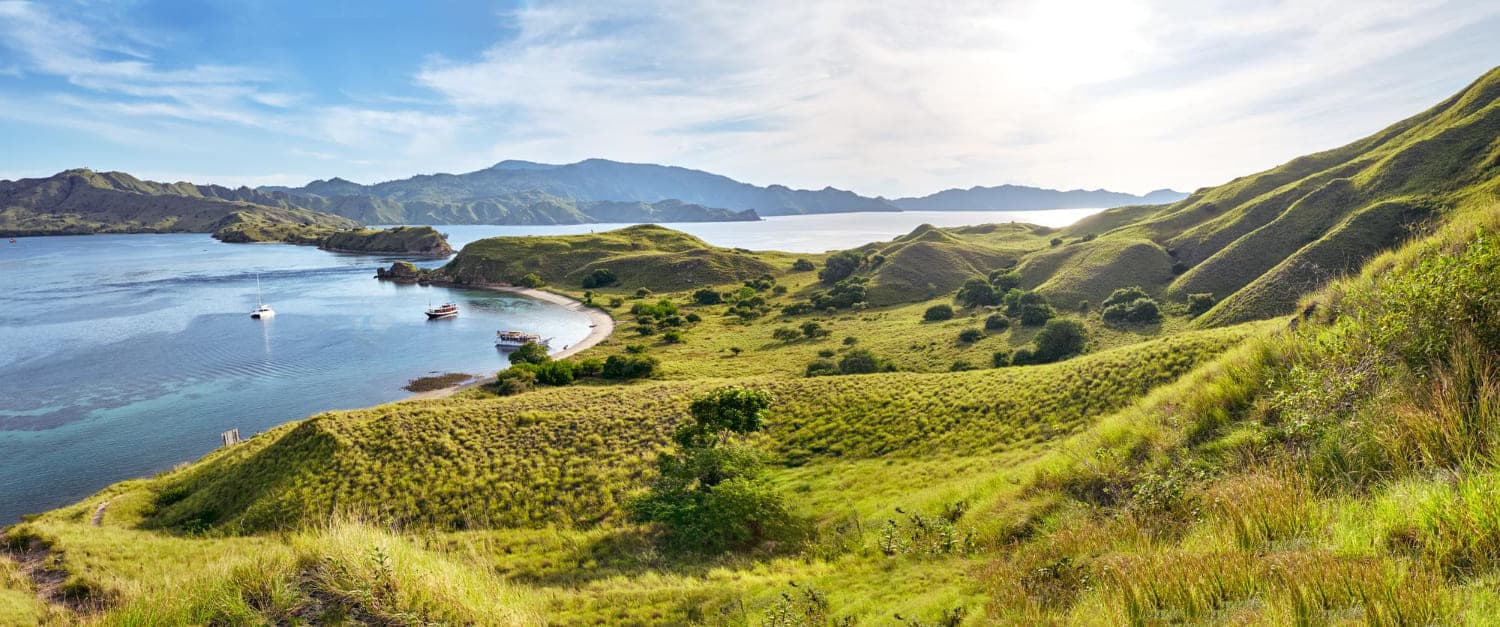
Exceptional Natural Beauty Supporting a Balanced Lifestyle and High Quality of Life

Excellent Post-Study Work Opportunities for International Graduates
 Work up to 25 hours per week during studies and 40 hours per week during scheduled vacationsPhD and Masters by Research students have no work hour restrictionsSpouses of postgraduate students can apply for a full-time open work permit with any employerDiploma and Graduate Diploma (NZQF Level 7 non-degree or below) allow a 1-year post-study stayPostgraduate Diploma graduates are eligible for a 1-year post-study stayMasters degree (NZQF Level 9) graduates are eligible for up to 3 years post-study stay
February / July

New Zealand is located in Oceania.
New Zealand's universities consistently feature among the global elite, with a significant proportion recognised within the top 3% of institutions worldwide.
The system comprises 8 state-funded universities, 16 Institutes of Technology and Polytechnics (ITPs), and over 550 Private Training Establishments (PTEs).
Key attractions include quality-assured education, practical learning, enhanced English proficiency, high employability of qualifications, and a safe, welcoming environment.
Yes, New Zealand qualifications are highly sought after by employers globally, providing a competitive edge in the international job market.
New Zealand consistently ranks among the safest and most peaceful countries globally, offering a secure and supportive learning experience.
Yes, most student visa holders are permitted to work part-time up to 25 hours per week during studies and 40 hours per week during vacation periods.
No, Master's by Research and PhD students typically have no restrictions on their working hours.
Yes, spouses of students pursuing a postgraduate qualification can apply for a full-time work permit, allowing them to work for any employer.
Diploma and Graduate Diploma (NZQF Level 7 non-degree or below) graduates are eligible for a 1-year post-study stay, while Master's degree (NZQF Level 9) graduates can stay back for up to 3 years.
Strong employment prospects exist in Engineering, Business & Finance, Health & Social Services, IT & Hospitality, Agriculture, Forestry, Environment, Civil Engineering, Teaching, Sport Management, Psychology, Design, Education, Culinary Arts, MBA, AI, ML, and Computer Science.
While the standard of living is higher than in India, the quality of life and opportunities offered are widely considered a worthwhile investment.
Major student cities include Auckland, Wellington, Christchurch, Hamilton, Tauranga, and Dunedin.
For Indian students, tuition fee payment is often required only after visa approval, helping reduce initial financial risk.
Processing times generally range from 3 to 8 weeks depending on the institution type; applying at least three months before travel is recommended.
Yes, partners of students pursuing eligible postgraduate qualifications (Level 8 and above) or specific Green List qualifications may apply for a full-time work visa, while others may be eligible for a visitor visa.
International graduates are highly valued due to New Zealand’s emphasis on quality education and practical skill development.
The most common route is through the Skilled Migrant Category (SMC), which requires meeting criteria related to skilled occupation, English proficiency, and submitting an Expression of Interest.
A Resident Visa allows permanent living with travel conditions, while a Permanent Resident Visa offers indefinite travel and stay rights after meeting residency and commitment requirements.
Green List occupations are in high demand and offer faster residency pathways through either straight-to-residence or work-to-residence options.