 +91 9544 22 11 55
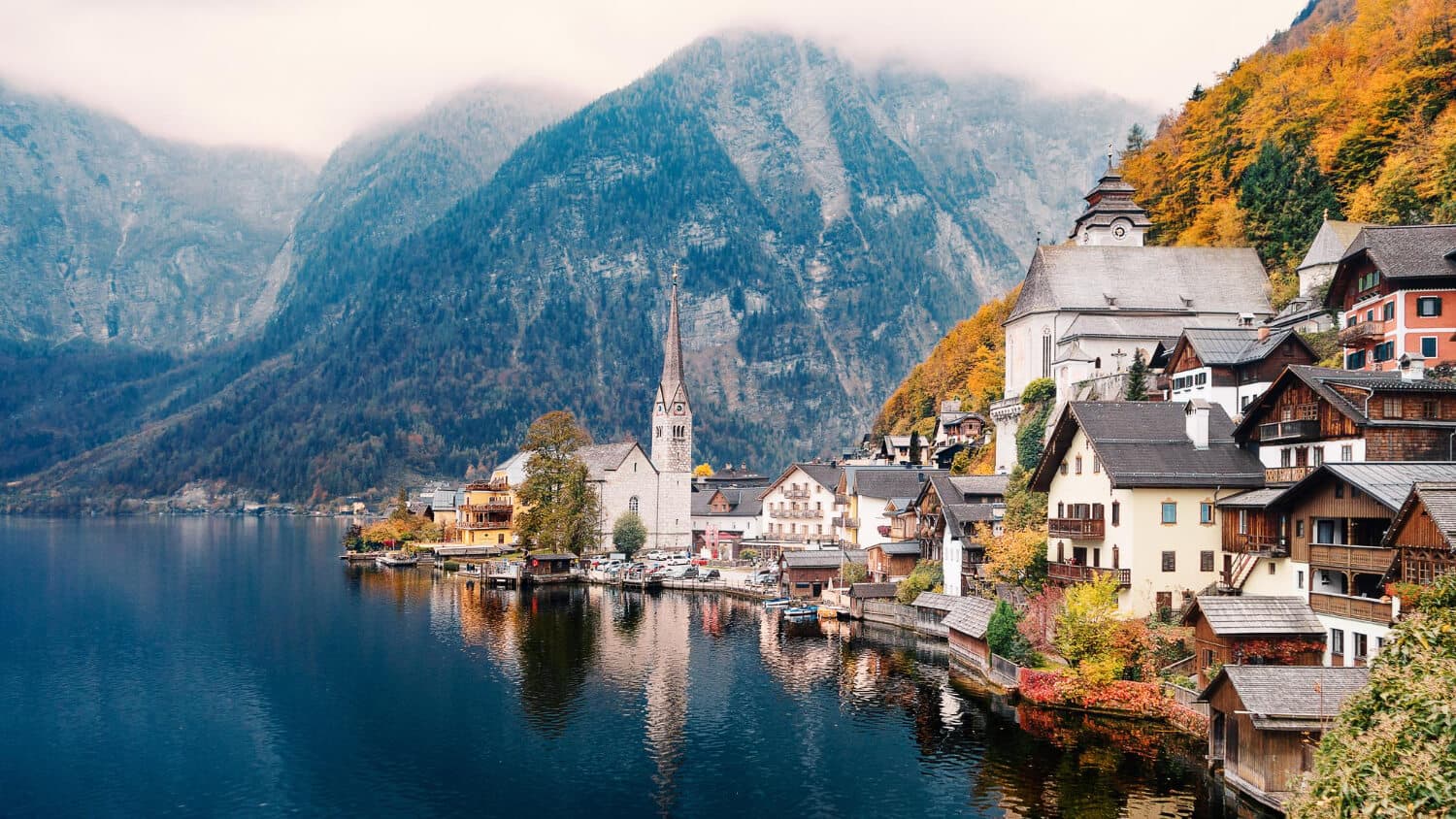
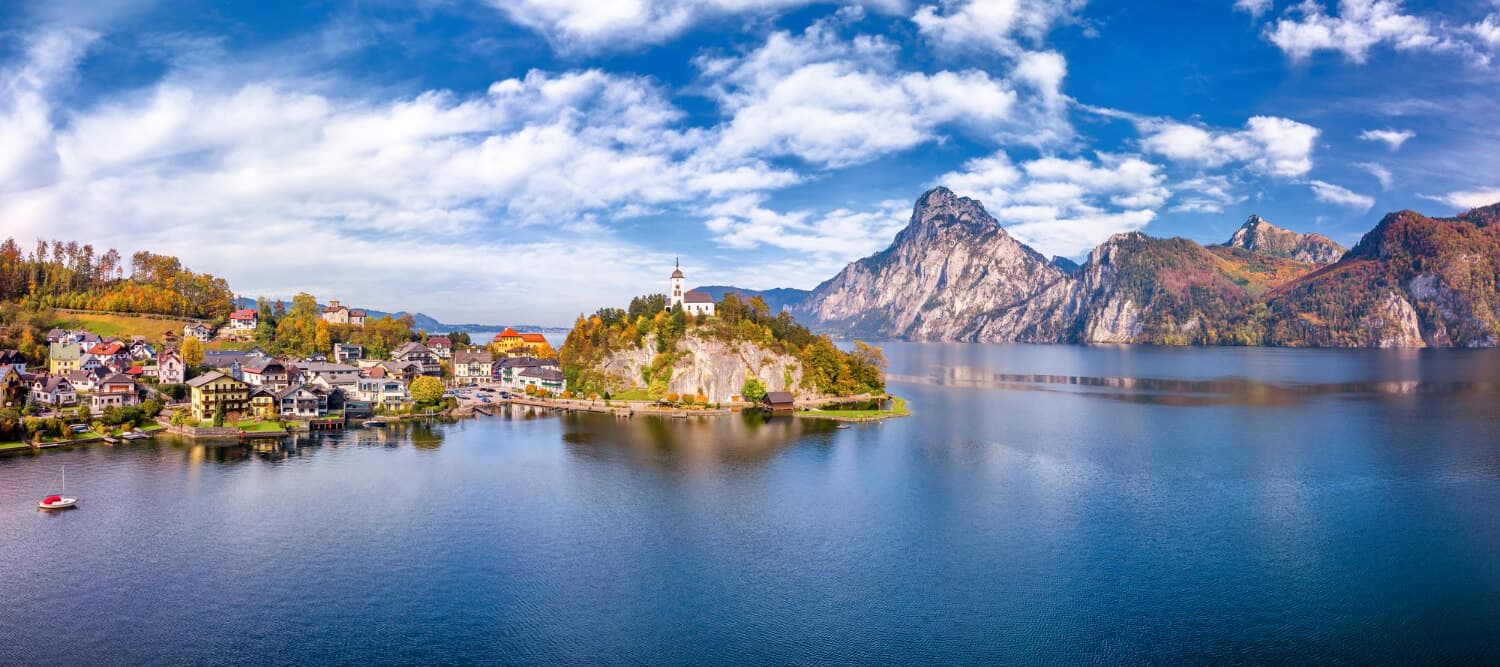
Austria, a landlocked nation in Central Europe, borders Germany, Czech Republic, Slovakia, Hungary, Slovenia, Italy, Switzerland, and Liechtenstein. This central location makes it a significant European crossroads. The country consistently offers an exceptional quality of life, boasting stunning Alpine scenery perfect for skiing and hiking. Vienna, its capital, is celebrated globally as the "City of Music" with world-class cultural institutions. Austria further excels with efficient public transport, excellent healthcare, high-quality (often free) education, a robust economy, low crime rates, and a strong commitment to renewable energy, making it a highly desirable place to live and visit.
 Capital: ViennaOfficial Language: GermanCurrency: EuroMain Cities: Graz, Linz, Salzburg, Innsbruck, Klagenfurt am Worthersee, Villach, Wels, Sankt Polten, Dornbirn
For Indian students, Austria presents a compelling study abroad option. It offers a relatively straightforward work permit system and a vibrant job market primarily driven by medium-sized businesses. Graduates can expect a high minimum wage of €1,500 monthly, with average annual earnings around €48,317. Crucially, Austria publishes an annual "shortage occupations" list, indicating high demand for professionals in fields like Power, Mechanical, and Chemical Engineering, Cost Accounting, Business Administration, Botany, Zoology, Bio Technology, Culinary Arts, and various Medical specialities including Anaesthesiology, Cardiology, Dermatology, Endodontics, and Gastroenterology and more. This provides excellent post-study work prospects for Indian students.

Austrian universities are globally recognised for academic excellence, research, and innovation

Wide range of programs available across engineering, IT, healthcare, humanities, and arts

Affordable public university tuition fees, typically between €1,500 and €3,000 per year

Many postgraduate programs are taught fully in English, ideal for Indian students

Austria offers one of the highest qualities of life with safe, liveable cities like Vienna

Central European location allows easy travel to countries like Germany, Italy, and Switzerland

Strong post-study work opportunities in fields like IT, healthcare, engineering, and tourism

Excellent student support services, scholarships, and international student networks like ESN
 20 hours per week during studies.International students can't typically work full-time during holidays without an LMT.1 year stay back.
March / October

Austria offers a world-class education system, affordable tuition fees at public universities, a high quality of life, diverse cultural experiences, and good post-study work opportunities.
The main intakes are Winter (starting October) and Summer (starting March).
Yes, Austria is generally considered a very safe country with low crime rates. However, like any major city, petty crime can occur, so general vigilance is advised.
Austria has a highly regarded education system, with several universities consistently ranking among the top globally QS worlds ranking for their academic standards, research, and innovation.
No, many Bachelors, Masters, MRes and PhD programmes are taught entirely in English. However, learning German is recommended for daily life and greatly enhances job prospects.
You'll typically need a plus two, degree, IELTS, TOEFL or PTE score, updated CV, SOP, LOR and sufficient financial proof etc...
No, not for all. However, specific programmes like Medicine, Psychology, or certain fields often have entrance examinations.
Public universities typically charge low tuition fees for international students, generally ranging from €1,500 to €2,700 per year (approximately INR 1.5 Lakh to 2.7 Lakh).
Private universities are significantly more expensive, with fees typically ranging from €10,000 to €17,500 per year (approximately INR 10 Lakh to 17.5 Lakh).
On average, expect to spend around €600 to €1,000 per month (approximately INR 60,000 to 1 Lakh), depending on the city and your lifestyle.
Yes, various scholarships are available, including those from the Austrian Agency for Education and Internationalisation and university-specific scholarships,
You need to show sufficient funds to cover your living expenses. €555 a month for students up to 24 years old, and €1,001 a month for students aged 24 and above.
Yes, comprehensive health insurance is mandatory. You can usually opt for public student health insurance at a preferential rate once in Austria, or secure private insurance beforehand.
Yes, students on a "Residence Permit - Student" are generally allowed to work up to 20 hours per week. An employer-secured work permit from the AMS is required.
Working more than 20 hours a week during holidays usually requires a work permit subject to a LMT by the AMS.
Upon successfully completing your degree (Bachelors, Masters, MRes or PhD), you can extend your Residence Permit for 12 months to seek employment or start a business.
This is a specific residence and work permit you can apply for if you secure a job offer relevant to your qualifications within the 12-month job search period. It generally does not require an LMT.
Family reunification is possible, but it depends on your specific residence permit type and financial stability. Generally, students may find it challenging to bring dependents initially due to stringent financial requirements.
After successfully working on a RWR Card for a specific period (e.g., 21 months within 24 months), you can apply for a RWR Card Plus, which grants unlimited access to the labour market. After 5 years of legal residence, you may be eligible for permanent residence.
Indian students usually apply for their student visa at the Austrian Embassy or Consulate General in Delhi, India before travelling to Austria. You'll submit your application, supporting documents, and attend an interview. Once approved, you'll receive a visa to enter Austria, where your residence permit card will be issued.