 +91 9544 22 11 55
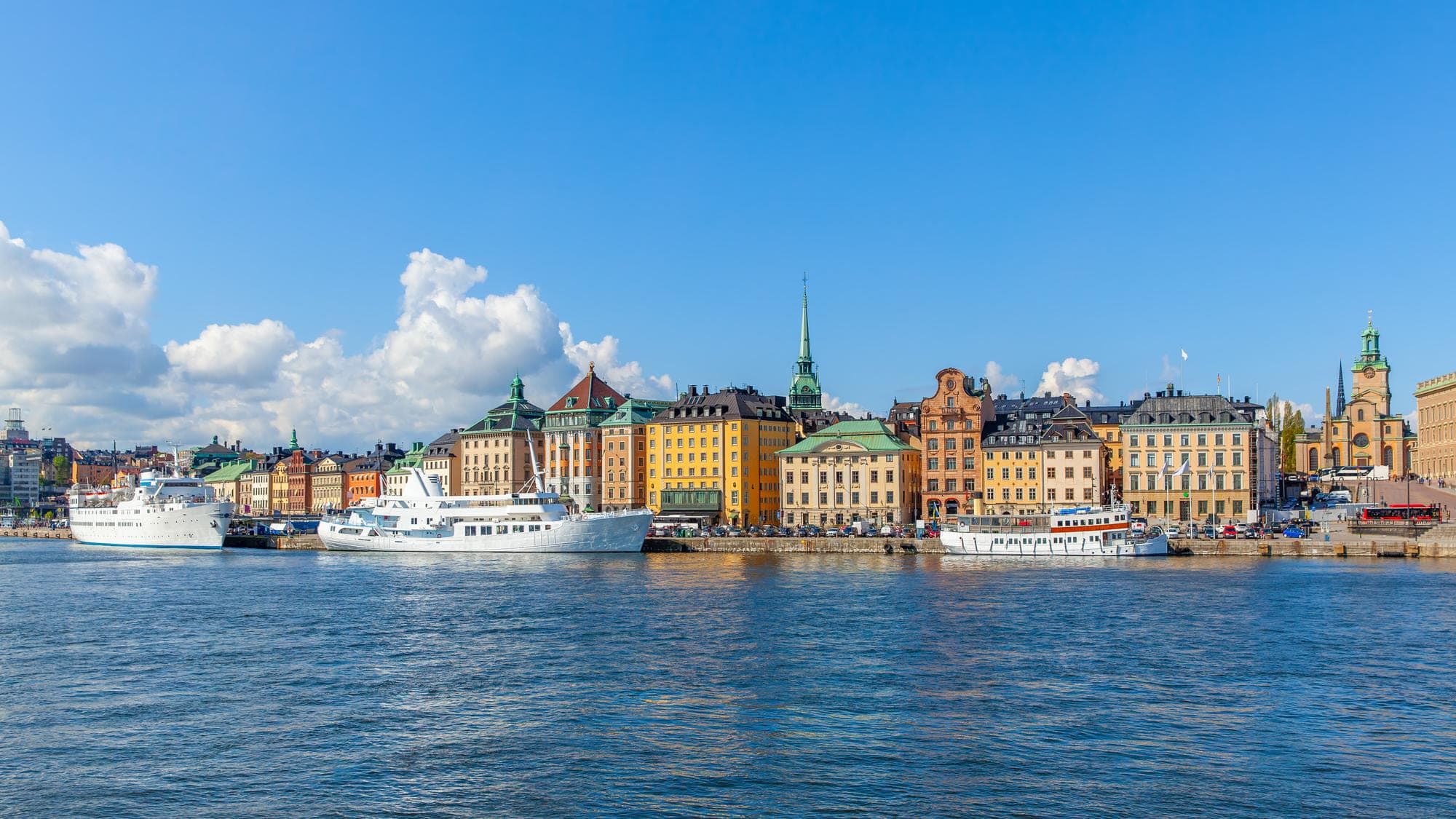
Sweden is a Scandinavian country, boasts a highly regarded education system, celebrated for its innovative, research-driven programmes and emphasis on independent thinking. Its breathtaking landscapes, from expansive forests and serene lakes to the unique arctic wilderness, highlight a profound commitment to environmental preservation and offer abundant opportunities for outdoor pursuits. Renowned for its exceptional quality of life, Sweden provides robust social welfare, a commendable work-life balance, and a remarkably safe, inclusive society. Economically, it is a prosperous and highly innovative country, driven by a strong services sector, advanced technology, and a globalised trade approach.
 Capital: StockholmCurrency: Swedish Krona (SEK)Official Language: Swedish (around 90% of Swedes speak English)Main Cities: Gothenburg, Malmo, Uppsala, Vasteras, Orebro, Linkoping, Helsingborg, Lund, Kalmar
The Swedish economy is a highly developed, export-driven powerhouse. Its industrial strength is notable across sectors such as automotive, chemicals, home goods and appliances, iron and steel, pharmaceuticals, precision equipment, and telecommunications. Sweden is home to globally recognised multinational corporations at the forefront of innovation and technology, including Ericsson, Volvo, Scania, Electrolux, SKF, Sandvik, Atlas Copco, and IKEA. Professions offering significant remuneration include law, banking and finance, education, aviation, management, healthcare, and tourism. Sweden consistently achieves high scores in key indicators of living standards, particularly in environmental quality, education and skills, work-life balance, health status, employment and earnings, and personal safety, underscoring a commitment to societal well-being.

Semester-Wise Tuition Fee Payment Reducing Upfront Financial Burden

Spouse Eligibility for Full-Time Work Permit for Masters, MRes & PhD Students

Globally Ranked Universities Known for Academic Excellence

Wide Range of Degree Programs Taught Entirely in English

Birthplace of World-Leading Multinational Companies & Innovation

Strong Export-Driven Economy with High Graduate Employability

High Quality of Life with Excellent Safety, Health & Work-Life Balance

Globally Respected Degrees Opening International Career Opportunities
 No fixed limit on work hours for international students during studiesSpouses are eligible for full-time work permits1 year stay back
August / January

Sweden boasts a globally respected, innovative, and research-driven education system known for its emphasis on critical thinking and independent study.
Several Swedish universities consistently rank highly in prestigious global listings, including the QS World University Rankings, with institutions like KTH Royal Institute of Technology and Lund University often within the top 100.
Yes, Sweden is consistently ranked among the world's most innovative countries, making it an excellent environment for those interested in cutting-edge fields.
Absolutely, degrees from Swedish institutions are highly valued and recognised worldwide, enhancing graduates' international employability.
English is exceptionally popular and widely spoken across Sweden, with nearly 90% of the population speaking it as a second language, ensuring easy communication.
Yes, Swedish universities offer a vast array of degree programmes across various disciplines taught entirely in English, catering well to international students.
While most programmes require English proficiency proof like IELTS some universities may offer waivers for STEM students with a strong academic background where English was the medium of instruction
A significant advantage for Indian students is that tuition fees are generally collected on a semester-wise basis, rather than requiring large upfront payments for the entire programme.
Yes, numerous scholarship opportunities exist, including those from the Swedish Institute and individual universities, covering tuition fees and sometimes living costs for eligible students.
Yes, students face no explicit hourly limitations on part-time work during term time.
During scheduled breaks and holidays, students are typically permitted to work full-time.
Yes, spouses accompanying students pursuing Master's or PhD qualifications are eligible to apply for a full-time, unrestricted work permit.
Promising sectors include IT, engineering, healthcare, business, and pharmaceuticals, with strong demand from Sweden's innovative multinational corporations.
Major student cities include Stockholm (the capital), Gothenburg, Malmö, Uppsala, and Linköping, each offering distinct academic and cultural experiences.
Generally, students can apply to extend their residence permit for 12 months after completing their studies to seek employment or become self-employed.
Yes, a common pathway to PR is through securing skilled employment after graduation and meeting the requirements of the Skilled Migrant Category.
Occupations on Sweden's "Green List" are in high demand and can offer accelerated pathways to residency for qualified graduates.
Applications are typically centralised and you can approach a leading Sweden education consultant.
Applicants must demonstrate sufficient funds to cover living expenses for their study period.
While not explicitly higher, a clear and streamlined visa process, coupled with genuine intent and complete documentation, supports positive outcomes for Indian applicants.