 +91 9544 22 11 55

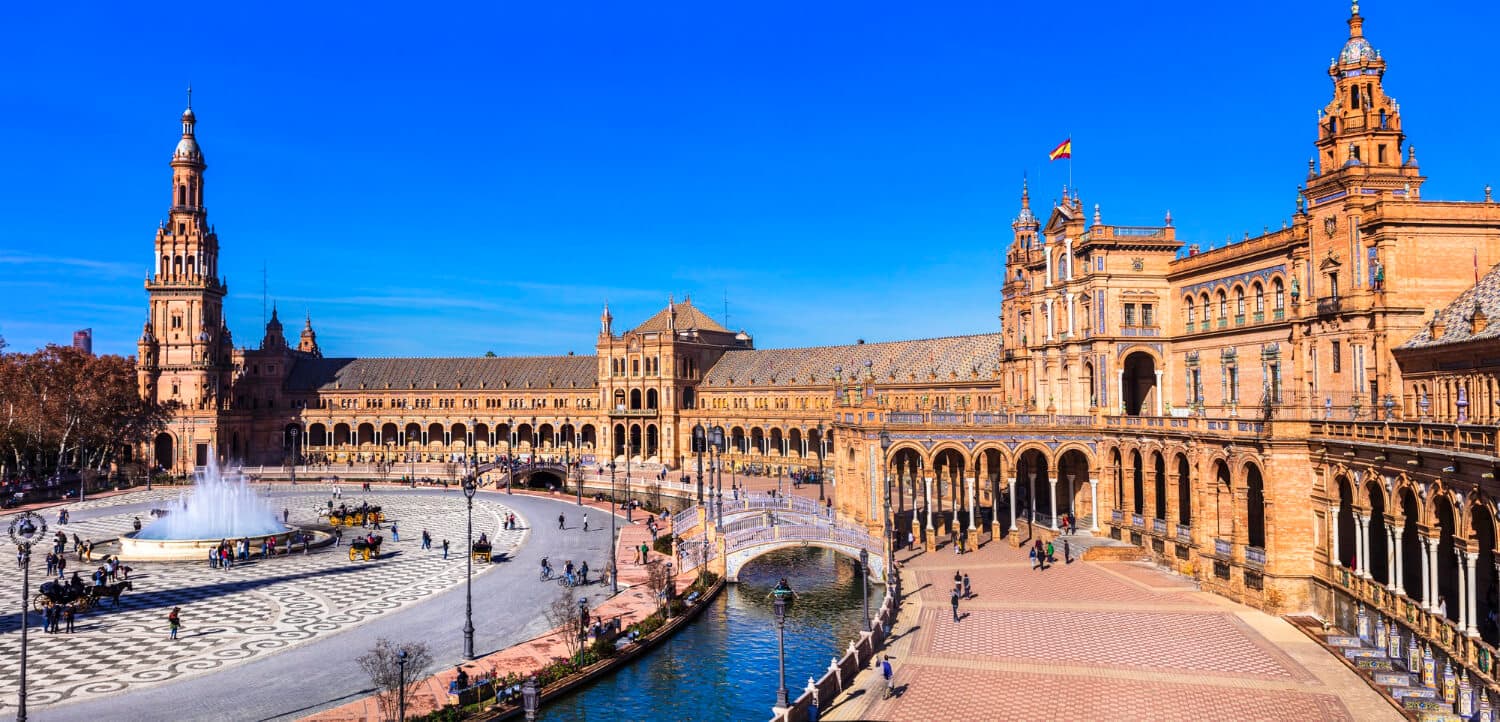
Spain, a major economic force in Europe, is fast becoming a magnet for young, creative talent. Hundreds of start-ups and entrepreneurs are embarking on new ventures, contributing to thriving business sectors. With a more economical cost of living and abundant opportunities for sports and socialising, Spain presents itself as an ideal location for international education. This diverse European nation, situated on the Iberian Peninsula, boasts a rich history and vibrant culture. As a prime tourist destination, it offers everything from stunning Mediterranean beaches and dramatic mountainous landscapes to iconic cities such as Madrid and Barcelona. Furthermore, Spain's full membership of the Schengen Area facilitates seamless travel across much of the continent.
 Capital: MadridCurrency: EuroLanguages: SpanishMain Cities: Barcelona, Valencia, Seville, Zaragoza, Malaga, Murcia, Palma, Las Palmas de Gran Canaria, Bilbao
Pursuing an undergraduate or postgraduate degree in Spain significantly boosts your job prospects across Europe and internationally, providing you with a truly global education and perspective.
Spain offers a notably more economical cost of living than many other popular European study destinations, being approximately 18% cheaper than Germany and over 32% less than France. Additionally, its efficient and reasonably priced public transport networks ensure affordable travel within cities.
The Spanish higher education system is renowned for its broad and high-standard offerings, with universities consistently achieving global recognition. A wide array of diverse courses are available, often with English-taught programmes, particularly at Masters level.
Studying in Spain enriches your CV, showcasing your adaptability, cross-cultural understanding, and a global outlook – highly valued attributes for future employers.

Spain provides a range of scholarships, grants, and financial aid options, including prestigious programmes like Erasmus Mundus and Fulbright

Globally recognised universities attract thousands of international students each year with flexible and high-quality academic programmes

Affordable public university tuition fees typically range between €2,500 and €3,500 per year, making Spain a budget-friendly choice

Spain offers a high quality of life with a safe, student-friendly environment and modern public infrastructure

Strong career prospects through industry-aligned courses and growing employment opportunities after graduation

Multiple student visa options are available based on course duration, with straightforward application processes
 30 hours per week during the academic term40 hours per week during semester break and holidays1 year stay back
January / September

Spain offers high-quality education, a lower cost of living than many other European countries, a vibrant culture, and excellent job prospects after graduation.
Yes, Spanish degrees, especially those from official university programmes, are recognised globally.
Yes, Spain is considered one of the safest countries in the world, with a friendly and welcoming environment for international students.
Spain primarily has a Fall intake (September/October), which is the main intake with the most programmes, and a Spring intake (January/February), which has more limited options.
International students, public university tuition fees typically range from €1,500 to €4,000 per year for Bachelors and €2,000 to €5,500 for Masters, MRes and PhD.
The average cost of living can range from approximately €400 to €900 per month, including accommodation, food, transport.
Popular scholarships include the Erasmus Mundus Scholarship, Spanish Government Scholarships, Fulbright-Nehru Master's Scholarship, and various university-specific scholarships (e.g., UIC Barcelona Scholarship, Barcelona GSE Master Scholarship).
The processing time is typically around 5 weeks, but it can extend to 9 to 10 weeks in some cases. It's advisable to apply 2-3 months before travel.
Yes, international students on a valid student visa are generally allowed to work part-time for up to 30 hours per week during the academic term.
Yes, during official university holidays and academic breaks (typically up to three months), students can work full-time without the weekly hour restrictions.
Graduates can apply for a "Residency Permit for Job Search" (Job Seeker Visa), allowing them to stay for up to 12 months to find employment or start a business.
The Job Seeker Visa itself is generally non-renewable. Its purpose is to facilitate the transition to a work and residence permit once employment is secured.
Once you secure a job offer, especially in a highly skilled position, you can apply to transition from the Job Seeker Visa to a work and residence permit.
Popular options include university halls of residence, shared apartments, and homestays with local families.
Yes, Spain has launched "EduBridge to Spain," a fast-track visa scheme aimed at admitting students, including Indian students, who might be impacted by visa restrictions in countries like the US. This programme aims to simplify the transfer of academic progress and prioritises student visa applications at Spanish consular offices.