 +91 9544 22 11 55
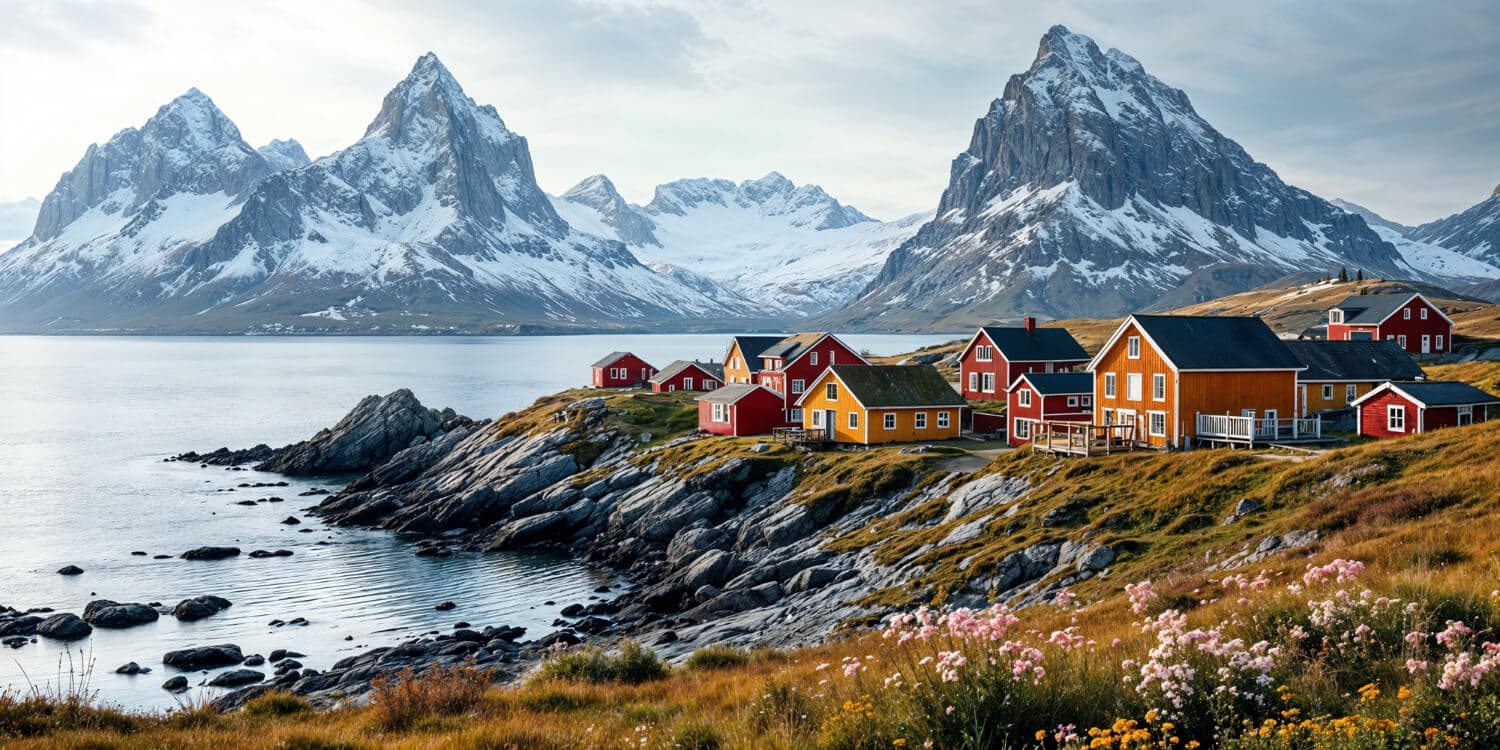
Norway, a stunning Nordic and Scandinavian nation, is globally acclaimed for its dramatic fjords, expansive natural beauty, and remarkably high quality of life. As a Schengen Area member and non-EU country, it offers seamless travel and strong international ties. Norway champions a robust welfare state, providing universal healthcare and comprehensive social security. Consistently topping global happiness and development indices, it fosters an exceptional work-life balance and deep appreciation for outdoor living. Its prosperous economy, significantly driven by vast petroleum and natural gas reserves, underpins this well-being and commitment to societal welfare.
 Capital: OsloCurrency: EuroOfficial Language: NorwegianMain Cities: Bergen, Trondheim, Stavanger, Drammen, Kristiansand, Tromsø
Norway's higher education is globally renowned for its modern facilities, ground-breaking research, and cutting-edge technologies. Institutions, some affiliated with Nobel Prize laureates, maintain high academic standards and innovative teaching, fostering close student-lecturer relationships. Comprising diverse public and private universities, many rank highly internationally (QS, THE, ARWU) and offer numerous programmes taught in English. This commitment to research-driven excellence and accessible learning makes Norway a compelling study destination.

Studying in Norway means investing in your future, with institutions renowned for quality education and strong focus on students’ overall experience and development.

Norway consistently ranks among the world’s happiest countries, offering a high quality of life and exceptional well-being.

As a founding member of the United Nations, Norway has a long-standing global influence, with its Foreign Minister serving as the first UN Secretary-General.

Historically, many public universities in Norway did not charge tuition fees for international students, making it financially attractive despite recent changes.

Norwegian institutions offer globally recognised degrees with modern facilities, innovative teaching methods, and strong academic standards.

A wide range of university programmes are taught in English, reducing language barriers and supporting smooth integration for Indian students.

Norway prioritises student well-being with high safety standards, low crime rates, and a strong culture of outdoor and healthy living.

Students can explore Norway’s breathtaking fjords, mountains, and Northern Lights, enjoying world-class opportunities for outdoor adventures.
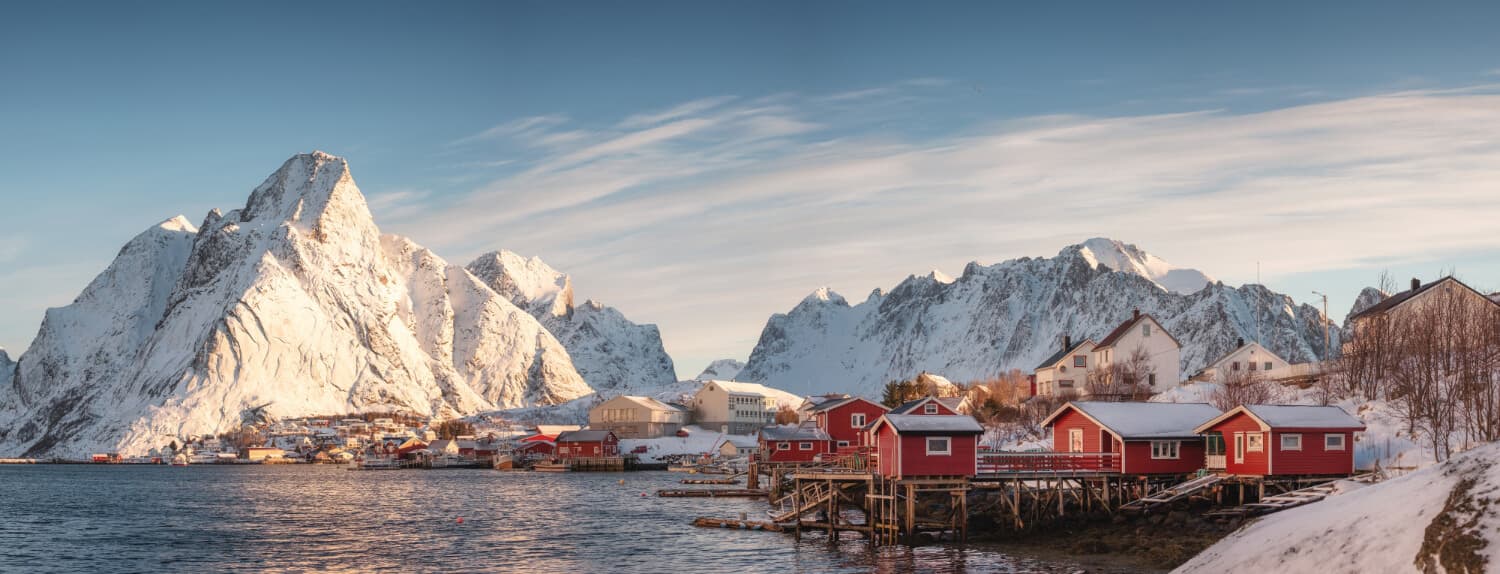
 20 hours per week during the semester40 hours during vacation and university holidaysThe primary way to stay and work after studying in Norway is by securing a job offer from a Norwegian employer, allowing transition to a Skilled Worker Permit.
August

Norway offers world-class education with high academic standards, a safe and scenic environment, and innovative teaching methods, providing a unique European study experience.
Many Norwegian public universities are tuition free and few have introduced tuition fees for international students from 2023 onwards. Some specialised or private institutions always charged fees.
Living costs are generally ranging from NOK 9500 - 15000 per month (€780 - €1,260 approx.), depending on the city and lifestyle. This includes accommodation, food, and transport.
Norway primarily has one main intake, the Autumn Intake, with studies starting in August/September. Application deadlines for non-EU/EEA students typically fall between December.
Yes, most Norwegian universities require proof of English proficiency (e.g., IELTS Academic score of 6.0-7.0 or TOEFL or PTE). Some may waive it if your previous degree was taught entirely in English.
Popular fields include Engineering, IT, Natural Sciences, Business, Environmental Studies, and Social Sciences, with numerous Masters and PhD programs offered in English.
Yes, non-EU/EEA students holding a valid study permit are automatically allowed to work up to 20 hours per week during the semester and full-time during official university holidays.
Norway does not offer a general job-seeker visa. To stay and work post-graduation, you must first secure a skilled job offer and then apply for a "Skilled Worker Permit" (residence and work permit).
Documents include an acceptance letter from a Norwegian institution, proof of sufficient funds SOP, LOR, proof of accommodation, valid passport, and academic transcripts.
Student housing offered by student welfare organisations is the most common and affordable. Private rentals and shared apartments are also options, but often more expensive.
Yes, Norwegian degrees are highly respected and internationally recognised, including in India, due to Norway's participation in the Bologna Process and its high academic standards.
While scholarships are competitive, several are available. These include university-specific scholarships (e.g., University of Oslo, NTNU), external scholarships, and sometimes, government schemes that cover living costs for specific programs or collaborations.