 +91 9544 22 11 55
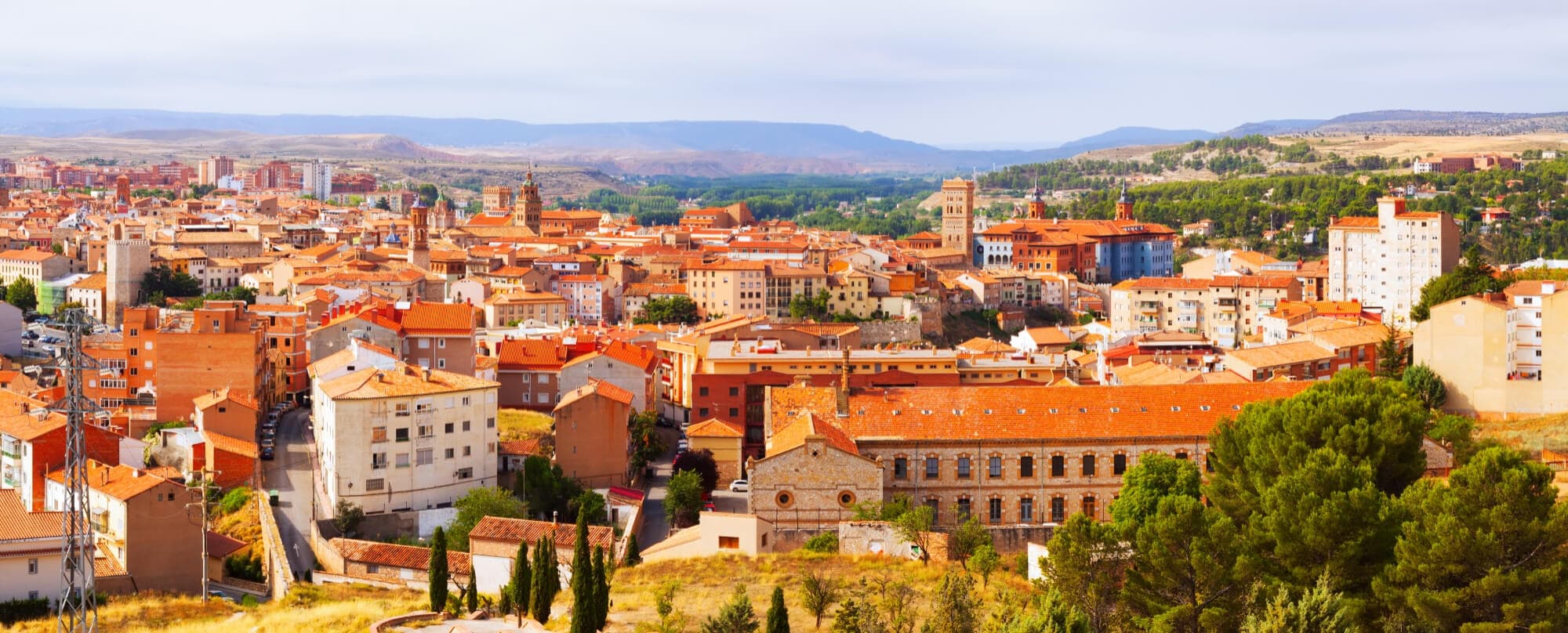
Malta, a picturesque archipelago in the heart of the Mediterranean, is a highly attractive Schengen country boasting over 300 days of sunshine annually. This welcoming EU member state offers a high quality of life, rich 7,000-year history, and stunning natural beauty with numerous beaches and dive sites. English is an official language, easing communication for visitors and residents. Malta provides a stable, safe environment, a vibrant cultural scene, and a well-regarded education system, making it a desirable destination for tourism, living, and business.
 Capital: VallettaCurrency: EuroLanguages: English, MalteseMain Cities: Sliema, St. Julian's, Mdina, Rabat, Birkirkara, Mosta, Marsaxlokk, Victoria, St. Paul's Bay
Malta offers an exceptionally appealing study abroad experience. This bilingual nation, with English as an official language, ensures a smooth transition for international students. Its cost-effectiveness, coupled with a high-quality education system, makes it an attractive choice. Furthermore, gaining a Maltese student visa grants access to the entire Schengen Area, allowing unrestricted travel across 27 European countries. Beyond academics, Malta is a haven for outdoor enthusiasts, providing ideal conditions for hiking, diving, and various watersports, ensuring a well-rounded and enriching experience.

Malta’s Get Qualified Scheme offers international students a tax credit refund of up to 70% on tuition fees after course completion and starting work in Malta, significantly reducing education costs

Following the British education model and the Bologna Process, Malta provides internationally recognised degrees with tuition fees and living costs that are more affordable than many European destinations

With English as one of its official languages, Malta offers Indian students a smooth academic and social transition with no language barrier

A Maltese student visa allows free travel across the Schengen Area, giving students the opportunity to explore 28 European countries during study breaks

Malta is known for its low crime rate and welcoming, multicultural environment, helping international students feel safe and adapt quickly

With over 300 days of sunshine and a Mediterranean lifestyle, Malta offers a healthy balance of academics and outdoor activities

Malta’s growing economy in sectors like IT, iGaming, financial services, tourism, hospitality, healthcare, and culinary fields attracts multinational companies and offers strong internship and career opportunities
 20 hours per week during studies40 hours per week during semester breaks and holidays1 year stay back
September / February, few institutions also have intakes in April, May, and June
Malta offers a cost-effective, high-quality education in an English-speaking environment, recognised degrees, and a vibrant Mediterranean lifestyle with excellent travel opportunities across Europe.
Yes, English is one of Malta's two official languages, alongside Maltese, ensuring no language barrier for Indian students in their studies and daily life.
Tuition fees vary by program and institution, but generally range from €6,750 to €11,000 per year for undergraduate programs, with postgraduate programs potentially varying.
Monthly living expenses, excluding rent, can range from €400 to €650. Rent for a one-bedroom apartment in central areas can be around €500-€700, but is lower outside city centers or in Gozo.
The primary intake is typically in September/October (Fall intake). Some institutions also have intakes in February (Spring) and occasionally in April, May, or June for specific programs.
Popular courses include Business Administration, Computer Science, Engineering (especially IT), Finance, Hospitality, Tourism, and Digital Marketing.
Yes, Malta offers a Post-Study Work visa, typically allowing graduates to stay for up to one year to seek employment after completing their studies.
Yes, international students are generally permitted to work up to 20 hours per week during their studies and 40 hours during vacation.
While many universities accept IELTS, TOEFL, PTE or Duolingo English Test, some institutions may accept a Medium of Instruction (MOI) letter as proof of English proficiency.
The "Get Qualified Scheme" is a Maltese government initiative allowing individuals, including international students, to receive a refund of up to 70% of their tuition fees as a tax credit upon successful completion of an approved course and starting work in Malta.
UG in Malta typically last for three or four years and PG usually take one or two years following the Bologna Process.
Yes, Malta is known for its very low crime rate and peaceful environment, making it a safe and welcoming country for international students.
Yes, a Maltese student visa is a Schengen visa, which permits students to travel freely across 28 European nations within the Schengen Area.
Yes, limited scholarships may be available from the Maltese government, individual universities, or private organizations. It's advisable to check specific university websites and government portals.
Demonstrating a genuine intention to study is crucial for a successful visa application. This involves clearly articulating your academic goals, showing how the chosen course aligns with your previous studies and future career aspirations, and proving you intend to return to your home country after completing your studies. A well-written Statement of Purpose (SOP) and consultation with Malta educational consultants also significantly improves the chances of a positive outcome.