 +91 9544 22 11 55
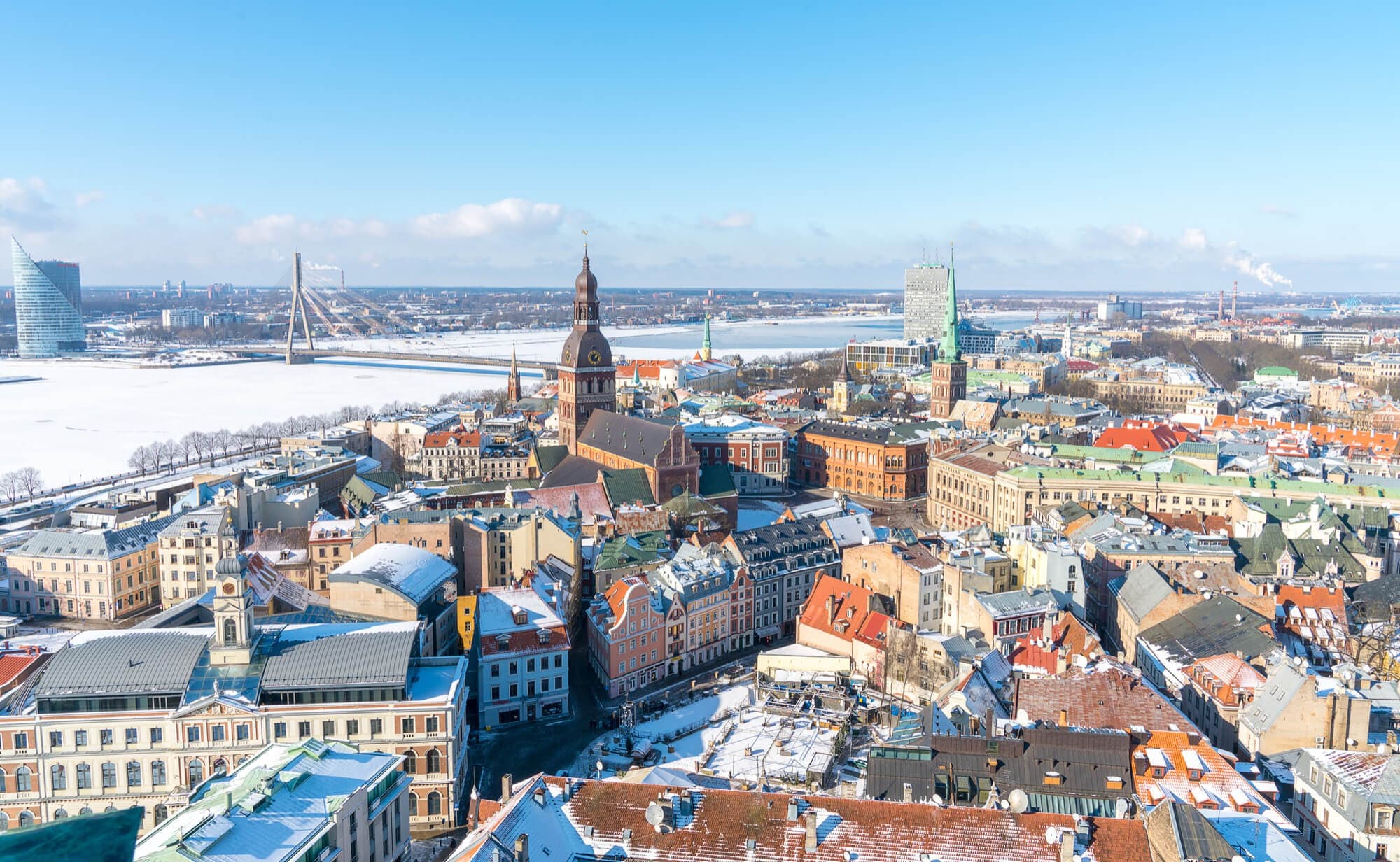
Latvia, a proud Schengen country, is a hidden gem on the Baltic Sea, boasting wide, pristine beaches and extensive, sprawling forests that cover over 50% of its land, offering abundant natural beauty. Bordered by Lithuania, Estonia, Russia, and Belarus, with sea links to Sweden, Latvia provides a unique geographical position. It offers an excellent standard of living at a comparatively low cost. The nation is dedicated to providing high-quality education, with many programs available in English, making it an attractive and safe destination for international students
 Capital: RigaLanguage: LatvianCurrency: EuroMain Cities: Daugavpils, Liepaja, Jelgava, Jurmala, Ventspils, Rezekne, Jekabpils, Valmiera, Ogre
Latvia is an increasingly popular study abroad destination, attracting over 6500 overseas students annually with its excellent, diverse programmes and expert faculties. Renowned for offering some of the world's fastest internet speeds, it provides high-quality academic and professional higher education through 36 public universities. Following the Bologna system, it offers Bachelor's, Master's, and Doctoral degrees, with public grants and scholarships available for top students. As a member of the EU, Eurozone, and OECD, Latvia offers a stable and welcoming environment with internationally recognised degrees and good post-study work opportunities.

Latvia offers affordable education and living costs compared to many Western European countries, with lower tuition fees and economical expenses for accommodation, food, and transport

Latvian universities follow the Bologna system, ensuring globally recognised degrees with a strong focus on quality education, innovation, and English-taught programmes

Latvia has some of the fastest internet speeds in the world, supporting students with seamless access to online learning, research, and digital communication

As a Schengen country, Latvia allows students to travel freely across 28 European countries without additional visas, enabling rich cultural and travel experiences

Latvia is known for its safe, peaceful, and student-friendly environment, with welcoming locals and strong university support services for international students

Latvia’s growing EU-based economy attracts multinational companies, particularly in IT, finance, and shared services, offering internship and career opportunities for graduates
 20 hours per week during studies40 hours per week during semester breaks and holidays6–9 months stay back
February / September

Latvia offers a combination of affordable tuition fees, a lower cost of living compared to other European countries, a high quality of education, and degrees that are globally recognized due to its adherence to the Bologna system.
Key benefits include access to the Schengen Area for easy travel, high-quality education with many English-taught programs, fast internet speeds, and good post-study work opportunities.
While many universities accept IELTS, TOEFL, or PTE Academic, some Latvian universities may also accept a Medium of Instruction (MOI) letter from your previous institution, stating that your studies were conducted entirely in English.
Tuition fees vary by program and university, but on average, they can range from €1,550 to €11,000 per year. Specialised programs like Medicine or Executive MBAs might be higher.
The average monthly living expenses in Latvia can range from €450 to €650, covering accommodation, food, transportation, and utilities. This can be lower if students opt for university dorms.
Popular fields of study include Business Administration, Computer Science, Engineering (especially IT and Telecommunications), Medicine (MBBS), and various Master's programs like MBA.BBA Logistic etc..
Yes, Bachelors students can work up to 20 hours per week during the academic year and full-time (40 hours/week) during holidays. Masters, MRes and PhD students have no restrictions on working hours.
Bachelor's graduates get a 6-month extension to their residence permit to seek employment or pursue further studies. Masters, MRes and PhD graduates get an initial 6-month extension with the possibility to apply for an additional 9-month extension to look for a job.
Yes, scholarships are available from various sources including the Latvian government (Latvian State Scholarships), specific universities, and private organizations. Indian government scholarships like ICCR also support studies in Latvia.
Yes, Latvia is generally considered a safe country with a low crime rate, offering a peaceful and welcoming environment for international students.
While Riga is the capital and most popular, other cities like Daugavpils, Liepāja, Jelgava, and Jūrmala also have universities and attract international students.
Yes, it is possible to apply for PR in Latvia after completing your studies and meeting certain criteria, including securing stable employment, demonstrating financial stability, having a clean criminal record, and proving Latvian language proficiency (A2 level minimum).
Yes, Latvia's growing economy and EU membership have attracted MNCs, particularly in IT, finance, and shared services, creating potential internship and career opportunities for international graduates.
Deadlines vary by program and university. For undergraduate programs, deadlines are typically between October and January (for Fall intake). For graduate/doctoral programs, deadlines can start from October and may be rolling. It's advisable to apply as early as possible.
The success rate for Latvia student visa applications is generally considered to be quite high, often cited as approximately 93% or above, provided that applicants submit all required documents accurately, genuinely demonstrate their intent to study, and meet all financial and academic requirements. However, it's crucial to be thorough and honest in your application to avoid common rejection reasons like insufficient funds or incomplete documentation. Therefore, please consult a reputable study abroad consultancy to clarify any doubts.