 +91 9544 22 11 55

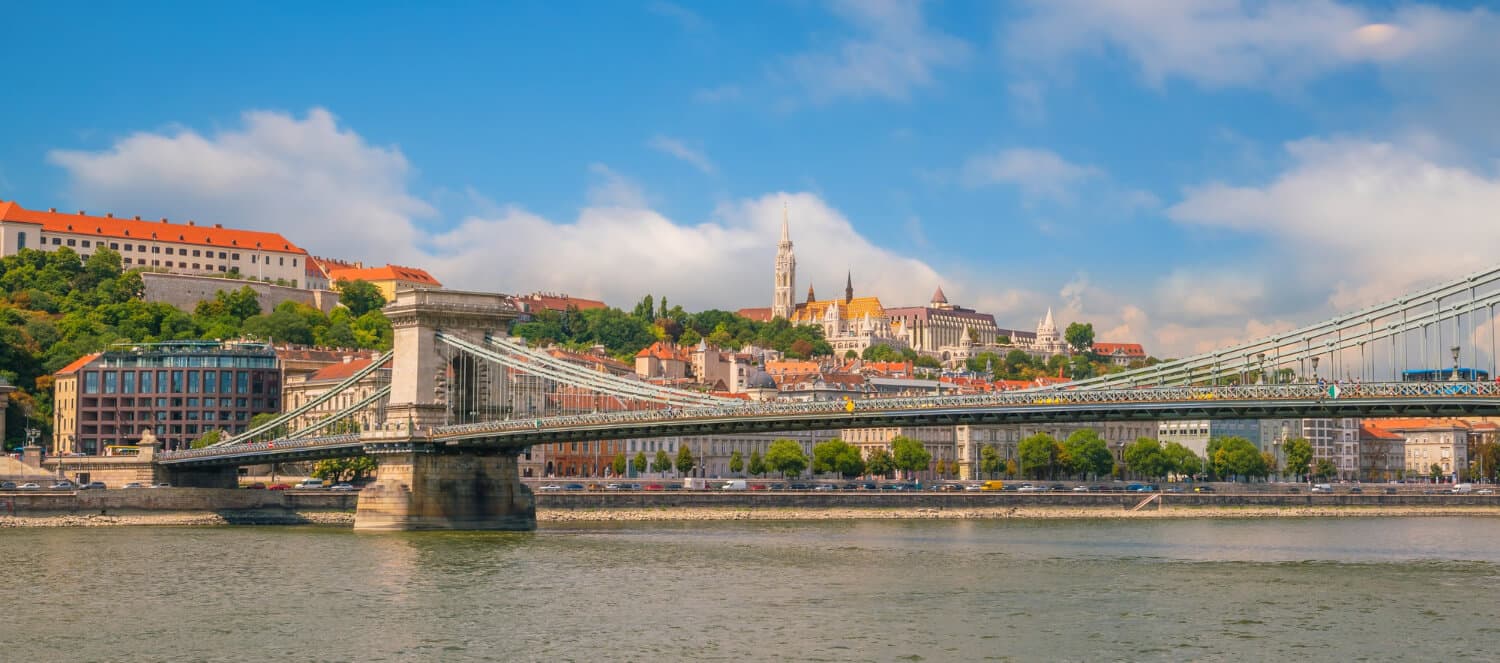
Hungary, a captivating Central European nation, joined the European Union in 2004 and the Schengen Area in 2007. This membership facilitates visa-free travel and strengthens economic ties across the continent. Known for its rich history, vibrant culture, and stunning architecture, particularly in its capital Budapest, Hungary offers a high quality of life with universal healthcare and tuition-free secondary education. Its export-oriented economy benefits from EU integration, attracting foreign investment and providing access to a vast single market.
 Capital: BudapestOfficial Language: HungarianCurrency: EuroMain Cities: Debrecen, Szeged, Miskolc, Eger, Pecs, Gyor
Hungary offers international students a compelling combination of academic excellence and affordability. With a rich higher education history spanning over 650 years, its 65 institutions provide over 500 English, German, and French-taught programmes, leading to globally recognised degrees. Living costs and tuition fees are remarkably favourable compared to many competitors, ensuring accessibility. Students benefit from a vibrant multicultural environment, a safe atmosphere, and abundant historical and cultural experiences, making Hungary an outstanding choice for a well-rounded academic journey.

Many Hungarian universities offer joint degree programmes, allowing students to earn two internationally recognised degrees simultaneously, enhancing global career prospects

As per the QS World University Rankings 2026, 10 Hungarian universities have secured their places, reflecting Hungary’s growing reputation for academic excellence

Students can gain valuable professional experience through Erasmus internships in Hungary, combining academic studies with practical work in a European environment

Numerous local and international companies in Hungary actively offer internship opportunities, providing hands-on industry exposure and strong professional networking

IELTS is often not mandatory, with alternative language qualifications accepted, and Hungary also maintains a high student visa approval rate

Excellent public transportation systems are available at discounted student rates, making travel within cities and across Hungary affordable and convenient
 30 hours per week during studiesStudents can work full-time during academic breaks for a maximum of 90 days or 66 working days per yearStay back 9 months
February / September

Hungary offers high-quality, globally recognized degrees at affordable tuition fees and living costs compared to many Western countries, along with a rich cultural experience in an EU and Schengen nation.
Yes, the most prominent is the Stipendium Hungaricum Scholarship Programme, which provides comprehensive coverage including tuition, accommodation, and a monthly stipend for eligible students.
Not always. While many universities accept IELTS, some waive the requirement if your previous education was in English (Medium of Instruction certificate), or they might conduct their own English proficiency tests or interviews.
Engineering (especially Computer Science), Medicine (MBBS, Nursing and Physiotherapy), Business Administration (MBA), Information Technology, and various Humanities and Social Science programs are highly sought after by Indian students.
On average, living expenses for Indian students in Hungary range from €400 to €700 per month, depending on the city and lifestyle, making it quite affordable.
Yes, International students with a student residence permit can work up to 30 hours per week during the academic term and full-time (max 90 days/66 working days per year) during academic breaks.
After graduation, Indian students can apply for a "study-to-work" residence permit, allowing them to stay for an additional 9 months to find employment or start a business relevant to their studies.
Hungary has a growing and supportive Indian student community. Indian student associations exist to help newcomers with adaptation, offer academic guidance, and organize cultural events.
Yes, Hungary is generally considered a safe country with low crime rates. The government prioritises the safety of residents and visitors, and major student cities are well-regarded for their security.
Essential documents include a valid passport, acceptance letter from a Hungarian university, SOP, LOR, proof of funds for tuition and living expenses, health insurance, proof of accommodation, and often a demonstration of English proficiency.
The processing time for a Hungarian student visa from India usually ranges from 4 to 9 weeks after submitting all documents and attending the interview. It's advisable to apply well in advance of your course start date.
Yes, Hungarian university degrees are highly respected and widely recognised internationally, including in India, due to their adherence to the Bologna Process and European quality assurance standards.
There are direct and connecting flights from major Indian cities like Delhi and Mumbai to Budapest, making travel relatively convenient and accessible for Indian students.