 +91 9544 22 11 55
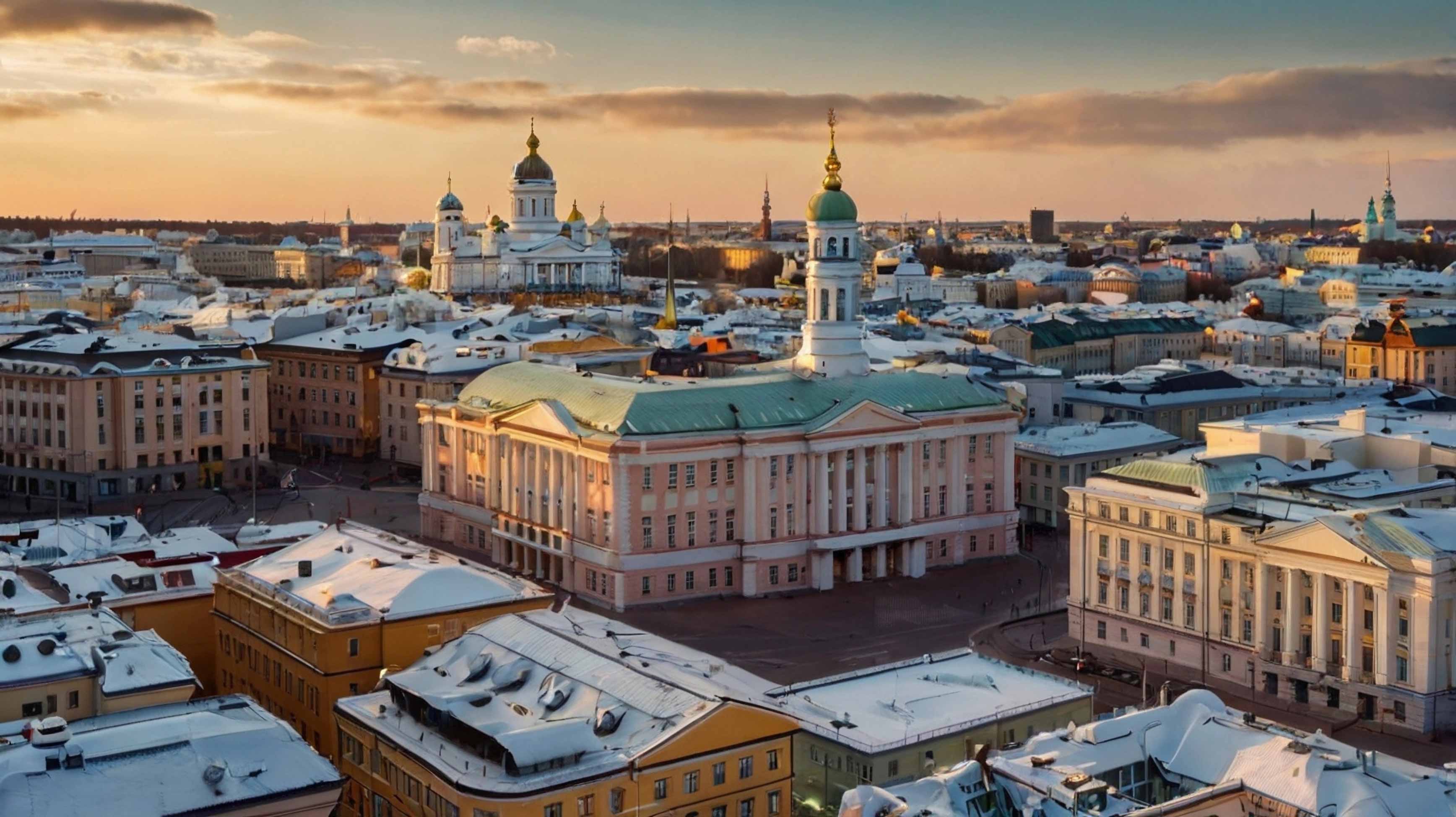
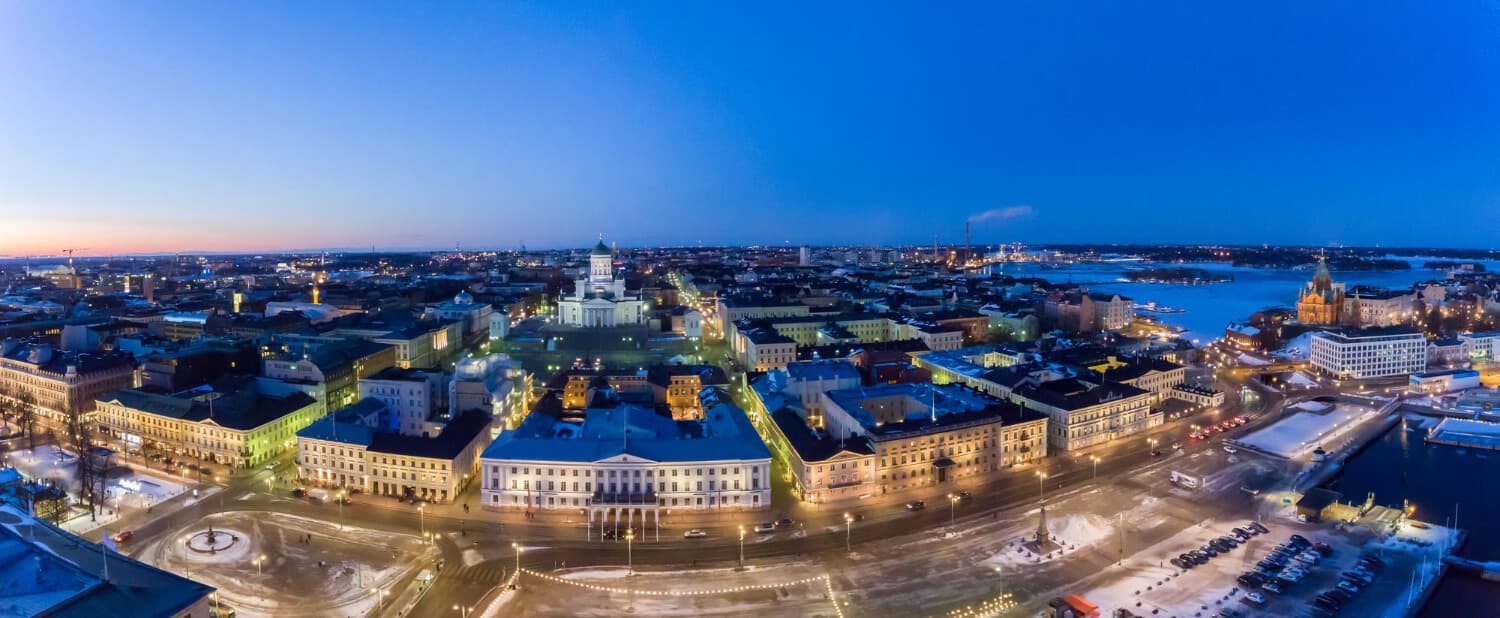
Finland, consistently named the happiest country in the world, is a Nordic nation celebrated for its exceptional quality of life. The country boasts a robust, wealthy economy built on a strong social safety net, cutting-edge technology, and a deep-rooted connection to nature. This combination of a well-functioning society, high levels of trust, and a focus on well-being over material wealth contributes to the unparalleled satisfaction of its citizens. Finland's vast forests and over 180,000 lakes provide a serene backdrop for a balanced, low-stress lifestyle that is envied globally.
 Capital: HelsinkiMain Cities: Tampere, Turku, Oulu, Espoo, Vantaa, Jyvaskyla, Kuopio, Lahti, PoriOfficial Language: FinnishCurrency: Euro
Finland's education system is globally celebrated for its high quality and innovative approach. Indian students benefit from a learning environment that prioritizes critical thinking and problem-solving over rote memorisation. With many degrees taught in English, there's no language barrier, and the country's universities are consistently ranked among the world's best. The high standard of living and a safe, peaceful environment also provide an ideal setting for academic focus and personal growth.

A globally renowned educational model

7 Finnish universities are ranked within the top 500 globally

Students' spouses are eligible to accompany them

Fast-track offer letters and a leading visa success ratio

Gaps in your studies and age are not a barrier

Affordable tuition fee

13 universities, 22 universities of applied sciences

500+ English-taught bachelors and masters programs

Stay-back counts toward permanent residency

High quality of life with a safe, student-friendly environment and strong work–life balance
 30 hours per week of work allowed during regular academic sessionsFull-time work allowed without hourly restrictions during university holidays such as summer and winter breaksPost-study work permit: 2 years
August / January

Finland has an excellent education system that is highly respected globally for its quality and innovative teaching methods.
There are traditional universities, which focus on research, and universities of applied sciences, which are more practical and career-focused.
Yes, there are over 500 + bachelors and masters programmes taught in English.
No, there are no age restrictions for admission to Finland universities.
No, academic gaps are not a concern. Your application is judged on your qualifications, not your study history.
The biggest application period is in January (one month only) for studies starting in August. There is a smaller intake in January.
Admission is based on your previous qualifications and may include an entrance exam.
Yes, you can be accompanied by your spouse and children.
Living costs for students can be around €600 to €900 per month.
Student life is very active, with many clubs, events, and unique traditions.
Yes, Finland is a very safe and secure country, known for its low crime rate.
No, most Finns speak English very well, but learning some Finnish is a great way to experience the local culture.
Yes, with a student card you can get discounts on food, travel, and various services.
Common part-time jobs are in sectors like retail, packing section, delivery, restaurant, hospitality, or as research assistants. After graduation, opportunities are strong in technology and engineering.
Yes, the two-year period spent looking for work can be included in the time required for a permanent residence permit.
You are allowed to work full-time without any hourly limits during official university holidays.
Student housing foundations offer affordable accommodation, but it is important to apply for it as soon as possible.
Yes, many universities offer scholarships to international students to help cover tuition fees.
Student housing foundations (lHOAS) are non-profit organisations that provide affordable and comfortable apartments for students in many cities.
RH Study Abroad is one of the highly-rated and reputable education consultants in Kerala for Finland.