 +91 9544 22 11 55
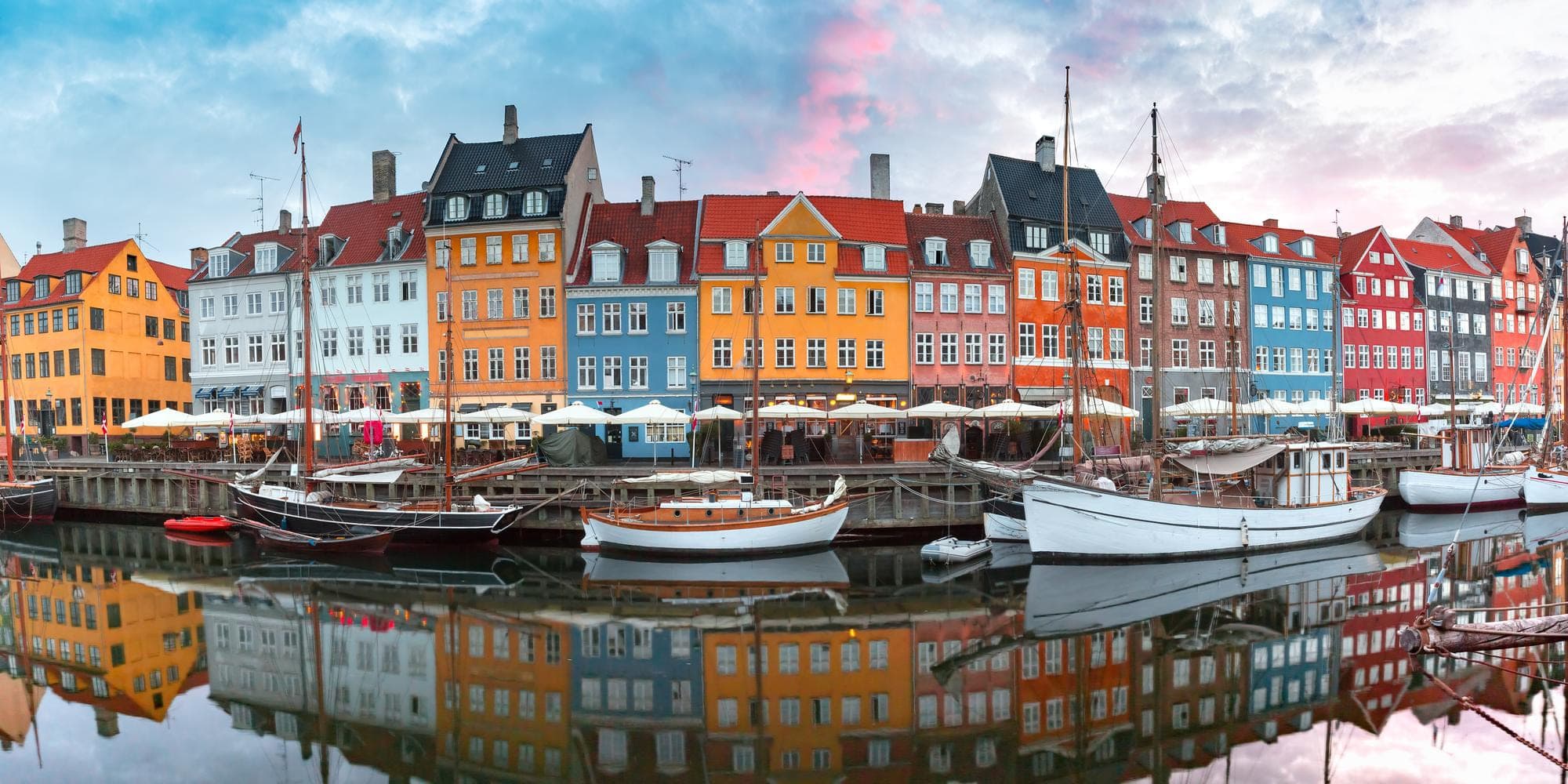
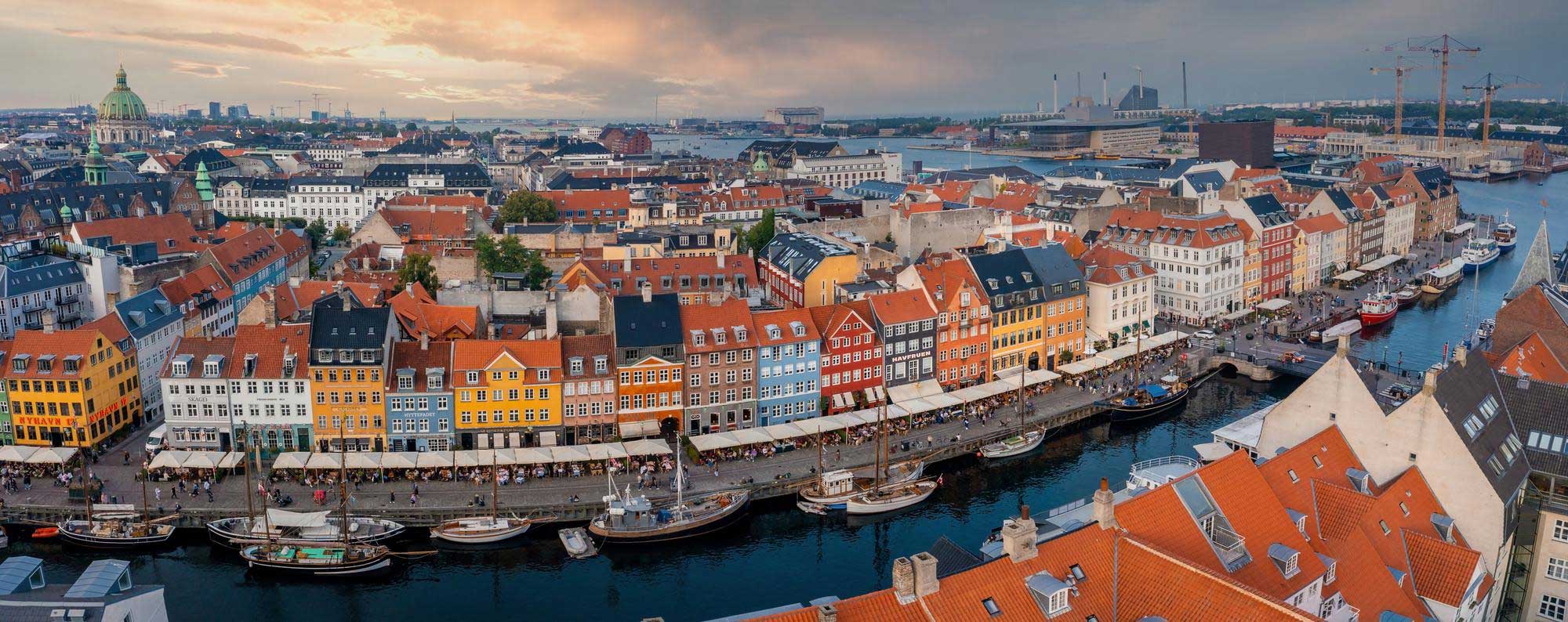
Denmark, located in Northern Europe and part of Scandinavia, is frequently lauded as one of the world's most pleasant, safest, and happiest nations. This reputation stems from its exceptional quality of life and high per capita income. The country prides itself on advanced education, comprehensive healthcare, and robust civil rights, ensuring a socially developed and equitable society. Overall, Denmark offers an environment where personal growth flourishes amidst a commitment to well-being and democratic values, making it a highly desirable destination for those seeking a supportive and enriching experience.
 Capital: CopenhagenOfficial Language: DanishCurrency: Danish Krone (DKK)Main Cities: Aarhus, Odense, Aalborg, Esbjerg
Denmark is home to top-tier universities, with several regularly featured in the QS World University Rankings, including the University of Copenhagen, Technical University of Denmark, and Aarhus University. Degrees from these institutions are globally recognised. Beyond academic excellence, Denmark offers significant professional exposure and world-class facilities. Students can work while studying, and crucially, institutions often assist graduates in securing internships and even permanent positions in reputable organisations based on their qualifications and knowledge. This blend of high-quality education and practical career support makes Denmark an attractive destination.

Spouses of Students Pursuing State-Approved Masters, MRes or PhD Are Eligible for Full-Time, Unrestricted Work Permits

Birthplace of Globally Renowned Multinational Companies Offering Strong Post-Study Employment Opportunities

Highly Ranked Education System Consistently Recognised Among the World’s Best for Academic Quality

Danish Universities Regularly Featured in Prestigious Global Rankings Such as QS World University Rankings

One of the Safest, Happiest Countries Offering Excellent Quality of Life and Work-Life Balance

English Widely Spoken Across Denmark Enabling Smooth Academic, Social and Professional Integration

Semester-Wise Tuition Fee Payment Structure Reducing Upfront Financial Burden for Indian Students

Strong Export-Driven Economy with High Demand in Renewable Energy, IT, Business, Pharma and Engineering

Up to 3 Years Job-Seeking Residence Permit Available After Completing State-Approved Degree Programmes
Global Leader in Innovation and Sustainability Offering Future-Focused Learning and Career Pathways
 90 hours per month during studies40 hours per week during vacationBachelors , Masters, MRes and PhD - 3 years stay backNon-State-Approved Programmes - 6-months stay back
September / January
Denmark is in Northern Europe, part of Scandinavia, renowned as one of the world's most pleasant, safest, and happiest nations due to its high quality of life.
Denmark is home to top-tier universities, with several regularly featuring in the QS World University Rankings, reflecting their academic excellence and research prowess.
Danish universities offer a wide array of globally recognised Bachelors, Masters, Masters by Research and PhD programmes across various disciplines, taught with a strong focus on innovation.
While Danish is the official language, a vast number of programmes, especially at Bachelors, Masters Masters by Research and PhD levels, are taught entirely in English.
Yes, English proficiency is very high across Denmark, particularly in urban areas and among younger generations, making daily life and academic interaction smooth for international students.
Most Danish universities require proof of English proficiency (like IELTS, TOEFL, or PTE with specific score requirements varying by programme and institution.
Yes, tuition fees at Danish universities are typically collected on a semester-wise basis, offering a convenient payment structure for Indian students.
Yes, various scholarship opportunities exist, including government-funded options and university-specific grants, which can help cover tuition fees and/or living costs.
Requirements typically include academic qualifications, English language proficiency, and demonstration of sufficient funds to cover living expenses.
International students in state-approved higher education programmes can work up to 90 hours per month during the study period, during vacation 40 hours per week.
It is crucial to confirm the accreditation status of your programme directly with the university and verify it on the official Danish Agency.
Graduates from state-approved Bachelor's, Masters, MRes or PhD programmes can apply for a job-seeking residence permit valid for up to three years.
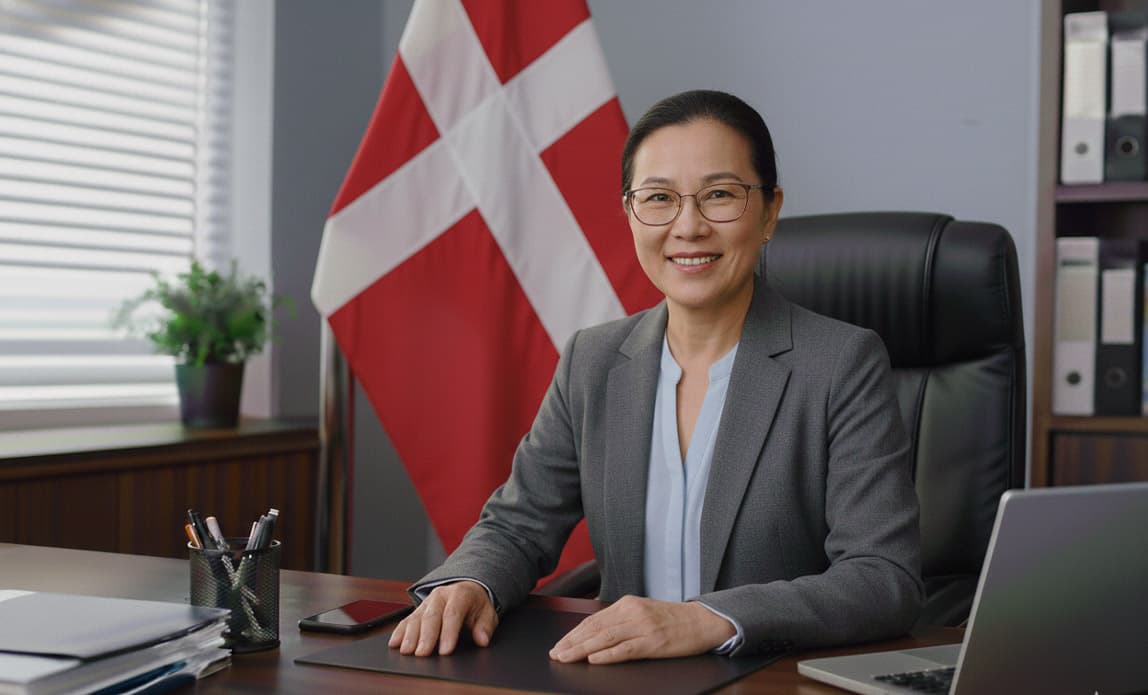
Yes, spouses accompanying students in state-approved Masters, MRes or PhD programmes are generally eligible to apply for a full-time work permit.
Denmark offers excellent professional exposure; institutions often assist graduates in securing internships and even permanent positions in reputable organisations.
Promising sectors include renewable energy, business, IT, pharmaceuticals, engineering, and maritime industries, driven by a strong focus on innovation.
Copenhagen, the capital Aarhus, Odense, and Aalborg are major student cities, each offering a unique academic and cultural environment.
Yes, after securing skilled employment following graduation, it is possible to apply for permanent residency.
Yes, Denmark updates "Positive Lists" for highly educated professionals and skilled workers, which identify in-demand occupations that can offer accelerated pathways to work and residency.
The processing time for a Denmark student visa generally ranges from 60 to 90 days. It is strongly advisable to apply at least 3-4 months before your intended course start date to account for any potential delays.
Danish universities generally have two main intake periods: the autumn intake (main intake, with applications typically opening in January/February for a September start) and a smaller spring intake (with applications usually opening in August/September for a February start).